


How to Plan a Memorable Private Dinner at Home
A private dinner at home can be a wonderful way to celebrate a special occasion, spend quality time with family and friends, or simply enjoy a restaurant-style meal in a comfortable setting. You do not need a large venue or an elaborate event to create a memorable evening. With thoughtful planning, the right menu, and a comfortable atmosphere, your home can become the perfect setting for an unforgettable dining experience.
Whether you are planning a romantic dinner, birthday celebration, anniversary, family gathering, or small corporate event, every detail can contribute to the experience. Here are some practical steps to help you plan a private dinner at home.
1. Decide on the Purpose of Your Dinner
Start by deciding what you want the dinner to be about. The occasion will influence almost every other planning decision, from the menu to the table setting and entertainment.
A romantic dinner may call for a more intimate atmosphere and a multi-course menu. A family celebration might be more relaxed, while a corporate dinner may require a polished setting and carefully planned service.
Knowing the purpose of your event makes it easier to create a consistent experience for your guests.
2. Create a Guest List
Determine how many people you plan to invite before planning the menu or seating arrangement.
A private dinner usually works best when the number of guests matches the available space and kitchen facilities. Consider where everyone will sit, how food will be served, and whether guests will have enough room to move comfortably.
Keep your guest list manageable and make sure you know about any dietary restrictions or food allergies before finalizing the menu.
3. Choose a Menu That Fits the Occasion
Food is naturally one of the main highlights of a private dinner. Instead of choosing too many complicated dishes, focus on a menu that works well together.
You might choose a starter, main course, side dishes, dessert, and beverages that complement one another. Seasonal ingredients can also add freshness and variety to the meal.
Think about your guests when selecting the menu. If some guests have dietary restrictions, consider providing suitable alternatives rather than making them an afterthought.
A customized menu can make the dinner feel more personal and intentional.
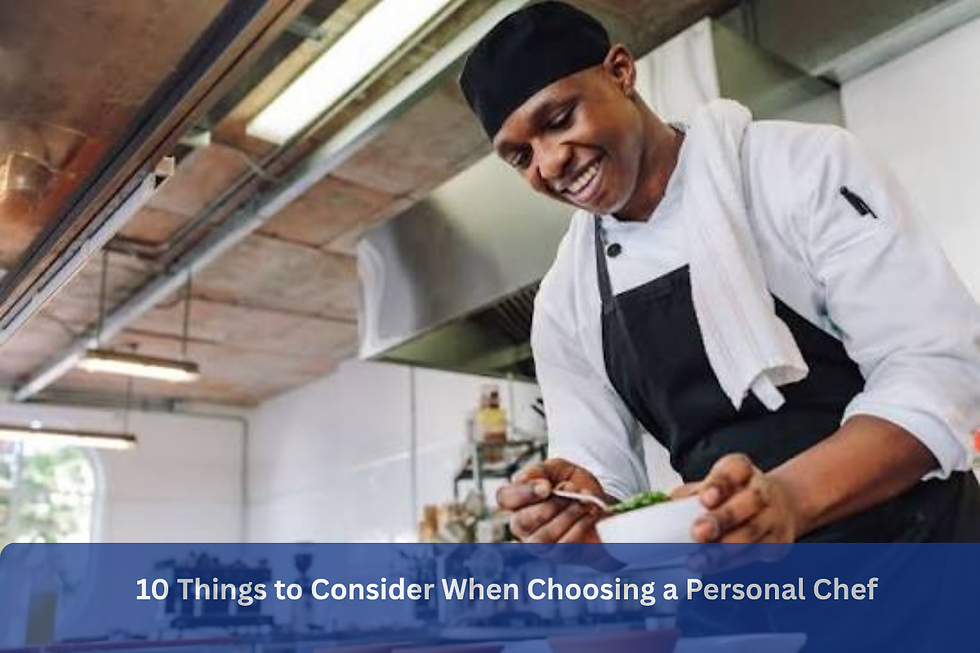
4. Consider Hiring a Personal Chef
If you want to enjoy the dinner instead of spending most of the evening in the kitchen, consider hiring a personal chef.
A personal chef can help with menu planning, ingredient selection, food preparation, cooking, and sometimes serving and cleanup. This allows the host to spend more time with guests instead of managing every part of the meal.
Before booking a chef, discuss the number of guests, menu preferences, dietary requirements, service style, kitchen facilities, and budget. This ensures everyone has the same expectations before the event.
For special occasions, a personal chef can also create a restaurant-style dining experience without requiring guests to leave home.
5. Plan the Table Setting
Your table does not need to be overly elaborate to look inviting. A clean and thoughtfully arranged table can make a significant difference.
Start with a suitable tablecloth, runner, or simple table setting. Use plates, glasses, cutlery, and serving dishes that complement the overall style of your dinner.
For a more formal dinner, you might use matching dinnerware and carefully arranged place settings. For a casual gathering, a simple and comfortable setup may be more appropriate.
The goal is to create a table that feels welcoming without making it difficult for guests to enjoy their meal.
6. Create the Right Atmosphere
The atmosphere can have as much impact as the food. Consider the lighting, music, seating, temperature, and overall appearance of the room.
Soft lighting can create a relaxed environment for an evening dinner. Candles or decorative lighting can add warmth, while natural lighting may work well for an afternoon gathering.
Choose background music that fits the occasion without being loud enough to interfere with conversation. A comfortable environment encourages guests to relax and enjoy the evening.
7. Prepare Your Home Before Guests Arrive
Give yourself enough time to prepare your home before the dinner begins.
Clean the dining and kitchen areas, organize serving spaces, and make sure the bathroom and guest areas are ready. If you are hosting outdoors, check the patio, garden, or other areas that guests may use.
It is also helpful to organize coats, bags, shoes, and other personal items so guests know where to place their belongings when they arrive.
Preparing these details in advance can help you avoid last-minute stress.
8. Plan the Dinner Schedule
A basic timeline can keep the evening organized without making it feel overly structured.
Think about when guests will arrive, when appetizers or drinks will be served, when dinner will begin, and when dessert will be offered.
If you have hired a personal chef or catering team, coordinate the schedule with them beforehand. This helps ensure that food is prepared and served at the right time.
Leave some flexibility in your schedule. Guests may arrive at slightly different times, and conversations can naturally make dinner last longer than expected.
9. Add a Personal Touch
Small personal details can make a private dinner more memorable.
You could create personalized place cards, serve a family recipe, prepare a favorite dessert, or choose a menu connected to the occasion. For a birthday or anniversary, photographs or simple decorations can add meaning to the event.
If the dinner is centered around a particular cuisine or destination, you could also incorporate related music, table decorations, or dishes.
Personal touches do not have to be expensive. Often, thoughtful details have more impact than elaborate decorations.
10. Think About Dietary Needs
Always ask guests about dietary restrictions before finalizing your menu.
Common considerations may include vegetarian or vegan preferences, food allergies, gluten-free meals, and other dietary requirements. If you are working with a personal chef, provide this information as early as possible.
It is also important to communicate the requirements clearly rather than assuming that a particular dish is suitable.
Planning for dietary needs in advance ensures that every guest has something enjoyable to eat and helps the evening run more smoothly.
11. Choose Drinks That Complement the Meal
Beverages can be another part of the dining experience. Consider serving options that complement your menu and suit your guests.
You might offer sparkling water, specialty beverages, fresh juices, coffee, tea, or other drinks. If alcoholic beverages are appropriate for your event, you can also consider pairings that work with specific courses.
Make sure there are appealing non-alcoholic options available as well. A thoughtfully selected beverage menu can enhance the meal without becoming the main focus.
12. Don't Forget Dessert
Dessert gives the meal a natural finishing point and can be an opportunity to add another memorable detail.
Depending on the occasion, you might serve a classic dessert, seasonal fruit, a selection of small sweets, or a customized dessert created by your chef.
For celebrations, a personalized cake or dessert can become part of the event itself.
Keep dessert appropriate to the rest of the menu. After a rich multi-course dinner, a lighter dessert may be more enjoyable.
13. Focus on Your Guests
One of the biggest mistakes hosts make is spending the entire evening managing the event.
If possible, complete as much preparation as you can before guests arrive. Organize ingredients, set the table, prepare beverages, and arrange the dining area ahead of time.
If you have a personal chef or event staff, allow them to handle their responsibilities while you focus on your guests.
The purpose of a private dinner is not simply to serve food. It is to create an opportunity for people to connect, celebrate, and enjoy time together.
14. Have a Backup Plan
Even carefully planned dinners can encounter unexpected problems. Having a backup plan can make it easier to handle them without disrupting the evening.
If you are hosting an outdoor dinner, consider what you will do if the weather changes. Keep alternative seating available and make sure there is enough indoor space if needed.
You should also have a plan for timing changes, missing ingredients, or unexpected guest requirements.
Being prepared does not mean expecting something to go wrong. It simply gives you more flexibility if something does.
Frequently Asked Questions
What should I serve at a private dinner at home?
The menu should depend on the occasion, guest preferences, and your preferred cuisine. A typical dinner may include an appetizer, main course, side dishes, dessert, and beverages. A personal chef can also help create a customized menu.
How many guests should I invite to a private dinner?
There is no fixed number, but the guest count should match your available space, seating, kitchen facilities, and desired atmosphere. Smaller groups often make it easier to create an intimate dining experience.
Is hiring a personal chef worth it for a dinner at home?
A personal chef can reduce the amount of cooking and preparation required from the host. They can also provide a customized menu and professional food preparation, allowing you to spend more time with your guests.
How far in advance should I plan a private dinner?
For a small dinner, a few weeks may be enough, but special events and busy dates may require more advance planning. If you want to hire a personal chef, booking early can give you more flexibility with dates and menu options.
How can I make a home dinner feel more special?
Focus on the details that affect the guest experience, such as lighting, music, table settings, food presentation, and personalized touches. A thoughtfully planned menu and comfortable atmosphere can make a simple dinner feel special.
What should I tell a personal chef before booking?
Share the event date, location, number of guests, preferred cuisine, dietary restrictions, budget, desired service style, and available kitchen facilities. These details help the chef determine what is needed for the event.
Can a personal chef prepare food for dietary restrictions?
Many personal chefs can accommodate dietary preferences and restrictions. However, allergies and special requirements should always be discussed before booking so the chef can determine whether they can safely meet those needs.
Final Thoughts
Planning a memorable private dinner at home does not require an extravagant budget or complicated setup. The most important elements are thoughtful planning, good food, a comfortable atmosphere, and time spent with the people who matter.
Start by deciding what you want your dinner to feel like, then build the menu, guest list, table setting, and schedule around that vision. If you want to enjoy the occasion without spending the evening cooking, a personal chef can handle much of the food preparation and help create a more personalized dining experience.
Comments